Smartphone thermal cameras make it easier to spot heat loss, moisture problems, overloaded circuits, and mechanical issues without carrying a dedicated thermal imager. The right model can turn an iPhone, Android phone, or tablet into a useful inspection tool.
We selected 10 options across different resolutions, connection types, temperature ranges, focusing systems, and price points so you can match performance to DIY, home maintenance, automotive, HVAC, or professional work.
Best 10 Smartphone Thermal Cameras Picks for 2026
Best Android Resolution

- Enhanced 512x384 imaging
- -4°F to 1022°F range
- Multiple measurement modes
Best For: Android electrical, HVAC, and home inspections
Best for PCB Inspection

- 8 mm manual focus
- Up to 1112°F readings
- NETD below 35mK
Best For: PCB, electrical, HVAC, and maintenance work
Best Guided Home Inspections

- MSX thermal and visual overlay
- Built-in inspection guides
- 1.5-meter drop rating
Best For: Guided Android home inspections
Best Macro-to-Long-Range Flexibility

- 8 mm macro focus
- Detection up to 30 meters
- Android, iPhone, and Windows support
Best For: Mixed PCB, HVAC, home, automotive, and outdoor inspections
Best All-Around Pick

- 320×240 resolution with smooth 25Hz imaging
- Measures from -4°F to 1112°F
- Compact design with alarms and 15× zoom
Best For: Versatile home, HVAC, electrical, and automotive inspections
Best for Professional Documentation
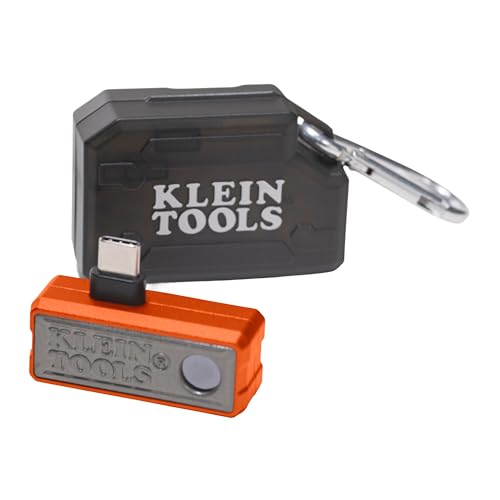
- 19,200-pixel thermal imaging
- Captures images, video, and time-lapse footage
- Displays spot, high/low, and differential temperatures
Best For: HVAC and electrical troubleshooting with inspection records
Best Android High-Resolution Option

- 256×192 IR sensor with 512×384 TISR output
- Smart high/low temperature alerts
- Battery-free Android and PC operation
Best For: Android users performing detailed maintenance and inspection work
Best Wireless Pick

- Wireless Bluetooth connection for iOS and Android
- 240x180 enhanced imagery with MSX
- 2-meter drop rating and up to two-hour battery
Best For: Wireless smartphone-based inspections and jobsite use
Best Wide-View Option

- 192x192 infrared resolution with a 50° field of view
- USB-C plug-and-play with no battery or pairing
- -4°F to 752°F range with stated ±2% accuracy
Best For: Wide-area home, HVAC, electrical, and automotive inspections
Best Compact Diagnostic Pick

- Compact USB-C thermal imager for smartphone use
- 192x192 resolution with a 50° field of view
- Detects temperatures from -4°F to 752°F
Best For: Portable leak, HVAC, automotive, electrical, and DIY diagnostics
Best Android Resolution – TOPDON TC001
The TOPDON TC001 is a strong option for Android users seeking detailed smartphone thermal cameras without carrying a separate display. It combines enhanced 512×384 imaging, a broad -4°F to 1022°F measurement range, and several temperature-analysis tools in a compact, phone-powered design.
Best For: Android-based electrical, HVAC, home, and general temperature inspections.
Pros:
- Enhances 256×192 thermal data to 512×384 with TISR technology.
- Measures temperatures from -4°F to 1022°F with ±2% accuracy.
- Offers point, line, and surface measurements, nine palettes, image fusion, and waveform graphs.
- Compact one-ounce design uses about 0.35W from the connected phone.
Cons:
- Not compatible with iOS devices, including iPhone 15.
- Android phones must support OTG, and TISR support should be confirmed before purchase.
Choose the TC001 when Android compatibility is assured and image detail matters. Its analysis modes and wide temperature range make it more versatile than a basic plug-in thermal viewer.
Best for PCB Inspection – Thermal Master P3
The Thermal Master P3 stands out among smartphone thermal cameras for close-up electronics work. Its manual-focus lens can focus as near as 8 mm, while high sensitivity, 15x digital zoom, and a temperature range up to 1112°F support detailed field inspections.
Best For: Electricians, PCB inspectors, HVAC technicians, and maintenance professionals.
Pros:
- Works with Android, USB-C iPhones, older Lightning iPhones via the included adapter, and Windows with the extension cable.
- Manual focus and an 8 mm minimum focus distance suit circuit-board inspection.
- Provides enhanced 512×384 images, 25Hz refresh, and NETD below 35mK.
- Includes adjustable emissivity, 12 palettes, alerts, picture-in-picture, and 15x digital zoom.
Cons:
- Its advanced inspection features may be more than casual users need.
- Windows connectivity requires the supplied extension cable.
The P3 is the most specialized choice here for diagnosing small hot spots on PCBs and components. Its manual focus and sensitivity give it a clear advantage for close-range technical work.
Best Guided Home Inspections – FLIR One
The FLIR One is a straightforward pick for Android users who want accessible smartphone thermal cameras for household troubleshooting. Its app includes inspection guides, while MSX overlays thermal and visible imagery to make issues such as air leaks and moisture buildup easier to interpret.
Best For: Homeowners and Android users checking insulation, air leaks, moisture, and general household problems.
Pros:
- Connects directly to USB-C Android phones, including Samsung Galaxy and Google Pixel devices.
- Uses MSX and enhanced imaging to upscale 80×60 native infrared data to 240×180.
- App-based inspection guides help users work through common home checks.
- Designed for jobsite use with a stated 1.5-meter drop rating.
Cons:
- Lower resolution than the other listed enhanced 512×384 models.
- Compatibility is specified for USB-C Android devices rather than iPhones.
- Temperature accuracy depends on the stated environmental and scene ranges.
The FLIR One favors ease of use over maximum resolution. It is a practical choice for guided home inspections, especially when visual context from MSX is more important than fine component-level detail.
Best Macro-to-Long-Range Flexibility – VANTRUE POWER TS2
The VANTRUE POWER TS2 is a versatile choice among smartphone thermal cameras, combining close 8 mm macro inspection with detection out to 30 meters. Its manual-focus lens, enhanced 512×384 output, and broad device compatibility make it suitable for both detailed electronics work and wider building or equipment checks.
Best For: Users who need one thermal camera for PCB, HVAC, home insulation, automotive, and outdoor inspections.
Pros:
- Supports Android, USB-C iPhone, older Lightning iPhone with an adapter, and Windows.
- Manual focus covers 8 mm macro work through longer-distance targets.
- Offers enhanced 512×384 imaging, 0.035°C sensitivity, 25Hz refresh, and 15x zoom.
- Measures -4°F to 1022°F with stated ±2% accuracy.
Cons:
- Temporarily not compatible with Mac devices.
- Manual focus requires adjustment for different distances.
- Older iPhones require a Type-C to Lightning adapter.
The TS2 is a flexible all-rounder for buyers who move between tiny components and larger inspection targets. Its broad compatibility and manual-focus range are particularly useful for mixed professional and household work.
Best All-Around Pick – Thermal Master P1
The Thermal Master P1 is a versatile choice among smartphone thermal cameras, pairing 320×240 resolution with a broad -4°F to 1112°F measurement range. Its compact design, alarms, zoom, and compatibility with USB-C smartphones make it practical for home, HVAC, electrical, and automotive checks.
Best For: Homeowners, HVAC users, electricians, and DIYers who want detailed imaging across a wide temperature range.
Pros:
- Sharp 320×240 IR resolution with a 25Hz refresh rate.
- Wide -4°F to 1112°F temperature range and ±3.6°F accuracy.
- Includes 15× digital zoom, temperature alarms, and isotherm mode.
- Lightweight, pocket-sized design with 5–8 hours of continuous operation.
Cons:
- Lightning-port iPhones require a Type-C to Lightning adapter sold separately.
- Some advanced settings require adjustment of emissivity, ambient temperature, and distance for best accuracy.
The P1 stands out as a well-rounded option when both image detail and high-temperature capability matter. Its included case and extension cable add convenience for field inspections.
Best for Professional Documentation – Klein Tools TI223
The Klein Tools TI223 is a practical option for professionals comparing smartphone thermal cameras for electrical and HVAC troubleshooting. It provides 19,200 pixels, multiple temperature readouts, and tools for saving images and video, including time-lapse footage.
Best For: HVAC and electrical professionals who need straightforward readings and shareable inspection documentation.
Pros:
- 19,200-pixel imaging helps reveal hot and cold spots.
- Displays spot, high/low, and differential temperatures.
- Captures thermal images, video, and time-lapse video.
- Offers ironbow, rainbow, and grayscale color palettes.
Cons:
- Its measurement range tops out at 752°F, lower than some competing models.
- Compatibility is specified for USB-C iOS and Android devices, so device connection should be checked before purchase.
The TI223 focuses on useful field reporting features rather than an unusually wide temperature range. Its case-friendly USB-C connection and documentation tools make it especially suitable for routine service work.
Best Android High-Resolution Option – AMPBANK M256
The AMPBANK M256 is an Android-only choice among smartphone thermal cameras, using a 256×192 infrared sensor with TISR upscaling to 512×384. Smart temperature alerts, 25Hz imaging, and PC software support make it suited to maintenance, HVAC, automotive, and electrical inspections.
Best For: Android users who want alerts, detailed analysis tools, and a battery-free inspection camera.
Pros:
- TISR upscales 256×192 IR data to 512×384 imagery.
- Provides a -4°F to 842°F range, ±3.6°F accuracy, and 25Hz refresh rate.
- Smart high/low alerts can flag threshold changes during inspections.
- Battery-free 30g design includes app, PC software, and 10 color palettes.
Cons:
- Not compatible with iOS devices.
- Requires an OTG-enabled Android device or compatible computer.
The M256 is compelling for Android-based workflows that benefit from alerts, temperature measurement modes, and data export. Because it draws power from the connected device, there is no separate battery to charge.
Best Wireless Pick – FLIR Edge
For shoppers comparing smartphone thermal cameras, the FLIR Edge stands out for its wireless Bluetooth connection and compatibility with iOS and Android devices. Its MSX image enhancement and Vivid IR upscaling are designed to make thermal details easier to interpret in practical inspection work.
Best For: HVAC, electrical, home, and jobsite inspections where wireless operation and access around tight spaces matter.
Pros:
- Works wirelessly with compatible Android and iOS phones or tablets through Bluetooth.
- Vivid IR upscales 80×60 native infrared imagery to 240×180, while MSX combines thermal and visual details.
- Jobsite-oriented construction is rated for a 2-meter drop and offers water resistance.
- Supports still images and video, with up to two hours of battery life.
Cons:
- Its native infrared resolution is 80×60, lower than the 192×192 sensors in the other listed options.
- Temperature accuracy is specified as ±3°C or ±5% under stated operating conditions.
- Requires charging because it uses an internal battery rather than drawing power from the phone.
The FLIR Edge is a strong choice when cable-free positioning, ruggedness, and FLIR’s image-enhancement features are more important than maximum native sensor resolution.
Best Wide-View Option – Thermal Master GW192A
This Thermal Master GW192A is a practical choice among smartphone thermal cameras for users who want plug-and-play operation through USB-C. Its 192×192 infrared sensor, 50° field of view, and broad temperature range support common inspection tasks without requiring a separate battery or wireless pairing.
Best For: Home energy checks, HVAC work, leak detection, electrical troubleshooting, automotive inspection, and other portable diagnostic tasks.
Pros:
- USB-C plug-and-play design requires no batteries or Bluetooth pairing.
- 192×192 thermal resolution and a 12μm pixel pitch are suited to identifying heat patterns and potential faults.
- 50° field of view helps cover ceilings, floors, walls, breaker panels, and vehicle components.
- Measures from -4°F to 752°F with stated ±2% accuracy.
Cons:
- The supplied compatibility notes specifically mention iPhone 15, 16, and 17 series devices, so buyers should verify their phone’s USB-C support.
- USB-C operation is less flexible than a wireless camera when positioning around obstacles.
- It relies on the smartphone for operation and display rather than including a standalone screen.
With high listed resolution, a wide viewing angle, and a very broad temperature range, the GW192A is a well-rounded pick for both DIY users and professionals who prefer a direct wired connection.
Best Compact Diagnostic Pick – GOYOJO GW192A
The GOYOJO GW192A offers a compact, wired approach to smartphone thermal cameras, connecting through USB-C for quick inspections. Its 192×192 resolution, 50° field of view, and -4°F to 752°F detection range make it suitable for checking leaks, insulation, electrical components, and overheating machinery.
Best For: Portable home inspection, plumbing and HVAC checks, automotive repair, electrical troubleshooting, and DIY diagnostics.
Pros:
- Plug-and-play USB-C connection avoids batteries and pairing.
- 192×192 infrared resolution supports detailed thermal imaging.
- Broad -4°F to 752°F (-20°C to 400°C) detection range covers many household and mechanical applications.
- Small 1.77 x 0.43 x 1.34-inch body is easy to carry into tight spaces.
Cons:
- The supplied notes identify compatibility with iPhone 15, 16, and 17 series devices; other phones should be checked before purchase.
- Its wired connection may be less convenient than a Bluetooth model when working around corners.
- No standalone display or battery is listed, so operation depends on the connected smartphone.
The GOYOJO GW192A is a compelling compact option for buyers who want high listed resolution and broad temperature coverage in a simple USB-C inspection tool.
How We Picked the Best Smartphone Thermal Cameras
We compared these Smartphone Thermal Cameras by looking at thermal resolution, stated temperature range, sensitivity, accuracy, connection method, compatibility, focusing options, software features, and overall usefulness for common inspection tasks. Higher resolution can reveal smaller hotspots and produce more detailed images, while lower-resolution models may be sufficient for basic troubleshooting around the home.
We also considered practical details such as manual focus, wireless operation, image-enhancement modes, measurement tools, inspection guidance, drop resistance, and whether the camera is designed for USB-C phones, Lightning devices, or both. Specifications can vary by phone, app, and operating system, so confirm compatibility before purchasing.
Quick Comparison
| What to Compare | Best For |
|---|---|
| 192×192 to 240×180 resolution | General home maintenance, plumbing, and electrical checks |
| 320×240 resolution | More detailed DIY, automotive, and HVAC inspections |
| 512×384 resolution | Professional-looking detail and identifying smaller temperature differences |
| Manual focus or macro capability | Close-up components, circuit boards, and mechanical parts |
| Wireless connectivity | Flexible positioning and use with different smartphones |
| Broad temperature range | Electrical, industrial, automotive, and high-heat applications |
Key Buying Factors for Smartphone Thermal Cameras
Resolution and Thermal Sensitivity
Resolution affects how much detail appears in the thermal image, but sensitivity also matters. A lower NETD figure generally indicates better ability to distinguish small temperature differences. For basic leak or insulation checks, entry-level resolution may be adequate; detailed electrical, HVAC, and mechanical work benefits from a higher-resolution sensor.
Compatibility and Connection Type
Check whether the camera connects through USB-C, Lightning, or Bluetooth and whether its app supports your phone’s operating system. A physically connected model is often simple and responsive, while a wireless camera can be easier to position and may work across more devices.
Temperature Range, Accuracy, and Focus
Choose a temperature range that covers your intended work, but do not treat the maximum rating as a guarantee of accuracy at every point. Manual focus is valuable for close inspection, while fixed-focus designs are faster for general scanning. Look for emissivity settings and adjustable measurement areas when you need more reliable readings from different materials.
Software and Durability
Useful apps may offer spot measurements, temperature alarms, palettes, image capture, reporting, or guided inspection modes. For job-site use, also consider drop protection, cable strength, portability, and whether the camera can operate comfortably with a protective phone case.
Who Should Buy Which Smartphone Thermal Cameras?
For basic home maintenance: Choose a compact, easy-to-use model with a sensible temperature range and a straightforward app for finding drafts, hot breakers, pipe issues, and insulation gaps.
For HVAC, plumbing, and electrical work: Prioritize higher resolution, adjustable measurement tools, useful alerts, and a broad temperature range. Manual focus or macro support is especially helpful around components and fittings.
For frequent professional inspections: Look for the clearest sensor available within your budget, low thermal sensitivity, dependable software, flexible connectivity, and a durable design. Wireless compatibility may be worthwhile if you switch between iOS and Android devices.
For occasional close-up troubleshooting: A model with manual focus, macro capability, or digital zoom can provide more useful detail than a basic fixed-focus camera, even if its headline resolution is not the highest.