Waiting for hot water wastes time and sends usable water down the drain. Tankless water heaters with recirculation pumps are designed to shorten that wait by moving heated water closer to the fixtures you use most.
This roundup compares built-in recirculation models, external pump systems, and high-capacity gas and propane options. Pay close attention to fuel type, flow rate, installation requirements, and whether your home has a dedicated return line.
Best 10 Tankless Water Heaters with Recirculation Pump Picks for 2026
Best Integrated Gas Option
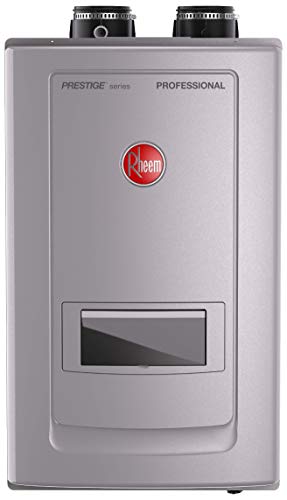
- Built-in recirculation and Auto-Learn Programming
- 11 GPM flow rate with 199,000 BTU output
- Leak detection and compact indoor design
Best For: High-demand indoor natural-gas homes
Best Smart Outdoor Model

- Built-in pump with usage-learning Smart-Circ technology
- 7.9 GPM capacity and 199,000 BTU output
- Compact outdoor natural-gas installation
Best For: Outdoor gas installations needing smart recirculation
Best Rheem-Compatible Add-On

- Timer-based circulation for selected Rheem models
- Energy Saver mode and internal check valve
- Includes hardware and installation instructions
Best For: Compatible Rheem tankless-heater owners
High-Capacity Pick
A. O. Smith 10 GPM Condensing Gas Heater

- 10 GPM continuous flow for larger households
- Integrated recirculation pump
- 15-year residential heat-exchanger warranty
Best For: Three- to four-bathroom homes needing high flow
Smart Propane Pick
Rinnai 7.9 GPM Smart-Circ Heater

- Learns usage patterns for recirculation scheduling
- 7.9 GPM propane indoor flow
- Compact design with strong residential warranty coverage
Best For: Propane homes wanting automated recirculation
Efficiency-Focused Pick
Rheem Prestige 10 GPM Recirculating Heater
- 10 GPM indoor natural-gas flow
- Auto-Learn usage programming
- Water- and gas-leak detection
Best For: Tank replacements needing automated demand management
Best with Extra Features
Rinnai RXP199iN with Smart-Circ Recirculation

- Up to 11.1 GPM and 199,000 BTU
- Built-in Smart-Circ pump learns usage
- Indoor/outdoor, natural gas or propane
Best For: Larger households with high simultaneous hot-water demand
Best Compact Indoor Option
Rinnai REP160iN Smart-Circ Tankless Heater
- Compact 14.05-inch-wide indoor design
- Built-in pump with usage-based scheduling
- Up to 6.1 GPM for moderate demand
Best For: Space-conscious homes using natural gas
Best Mid-Range Flexibility
Rinnai RXP160iN with Built-In Pump

- Up to 9 GPM and 160,000 BTU
- Natural gas or propane compatibility
- Indoor/outdoor installation with Smart-Circ
Best For: Households wanting flexible installation and strong mid-range capacity
Best Integrated Gas Option – Rheem Prestige 11 GPM
The Rheem Prestige RTGH-RH11DVLN is a high-capacity choice among tankless water heaters with recirculation pump functionality. Its built-in recirculation, 11 GPM flow rate, and 199,000 BTU output are designed to deliver hot water with less waiting, while the condensing design emphasizes efficiency and water savings.
Best For: Homes needing a high-flow indoor natural-gas heater with integrated recirculation and leak-detection features.
Pros:
- Built-in recirculation helps reduce hot-water wait times and waste.
- 11 GPM flow rate and 199,000 BTU heat output support substantial demand.
- Auto-Learn Programming adapts to household hot-water usage patterns.
- Water and gas leak detection can shut down the unit and provide an error code.
Cons:
- Designed for indoor natural-gas installation rather than electric or outdoor use.
- Professional installation may be needed for gas, venting, and plumbing requirements.
Choose this model when capacity and integrated controls matter more than minimizing the initial installation complexity. Its compact floor-mount design can also make it a practical replacement for a traditional tank.
Best Add-On Circulation Kit – Watts Heat H2O Recirculation System
The Watts Heat H2O system is an add-on recirculation kit rather than a tankless water heater. It uses a thermal-bypass sensor valve and programmable timer to move cooled water back toward the heater, but the supplied notes specifically state that it is not designed for tankless water heaters.
Best For: Conventional water-heater installations that need return-line-free recirculation and under-sink sensor control.
Pros:
- Thermal-bypass technology can provide hot water at faucets in about 15 seconds.
- Programmable timer supports scheduled operation during peak-use periods.
- Includes the pump, sensor valve, fittings, supply lines, and mounting hardware.
- Does not require a dedicated return line.
Cons:
- Not designed for tankless water heaters.
- A flexible water-heater supply line is not included.
- Rigid supply pipes may require additional tools for installation.
This kit can be useful for a compatible conventional system, but it should not be treated as a universal solution for tankless water heaters with recirculation pump setups. Confirm heater compatibility before buying.
Best Smart Outdoor Model – Rinnai Smart-Circ 7.9 GPM
The Rinnai REP199eN is an outdoor natural-gas option for shoppers comparing tankless water heaters with recirculation pump features. Its built-in Smart-Circ pump learns water-use patterns and schedules recirculation, while the 7.9 GPM capacity and 199,000 BTU output support multiple fixtures.
Best For: Homes wanting a compact outdoor gas heater with built-in, usage-based recirculation.
Pros:
- Smart-Circ learns usage patterns and schedules recirculation automatically.
- 7.9 GPM flow rate is rated for up to six fixtures at once.
- Compact outdoor design helps save indoor space.
- Offers a 15-year heat-exchanger and 5-year parts warranty for residential use, subject to registration and warranty terms.
Cons:
- Outdoor installation limits placement options compared with indoor models.
- Professional installation is recommended.
- Wi-Fi control requires a separate Controlr module.
This is a strong fit when outdoor placement is available and automated recirculation is a priority. Check local conditions and the manufacturer’s guidance to confirm the unit suits your region and installation location.
Best Rheem-Compatible Add-On – Rheem RH17920 Timer Kit
The Rheem RH17920 is a timer-based circulation kit for selected Rheem tankless models. It uses a stainless-steel pump, programmable scheduling, and an internal check valve to keep hot water moving through compatible plumbing and reduce waiting at fixtures.
Best For: Owners of listed Rheem tankless heaters who want scheduled recirculation without adding a separate aqua stat.
Pros:
- Designed to work with several specified Rheem tankless water heaters.
- Programmable timer keeps hot water circulating when needed.
- Energy Saver mode helps limit pump power consumption.
- Includes installation components and step-by-step instructions.
Cons:
- Compatibility is limited to the Rheem models listed in the supplied specifications.
- Timer-based operation does not provide the usage-learning automation found in some integrated systems.
- Installation still requires confirming plumbing and heater compatibility.
For a compatible Rheem setup, this kit offers a focused way to add recirculation without replacing the water heater. Verify the exact model number before purchase, since the listed compatibility range is specific.
High-Capacity Pick – A. O. Smith 10 GPM Condensing Gas Heater
For households comparing tankless water heaters with recirculation pump functionality, this A. O. Smith model combines a built-in pump with a 10 GPM continuous-flow rating. Its condensing design, 199,000 BTU output, and natural-gas indoor configuration make it suited to larger homes, though a bypass valve may be required for recirculation and is not included.
Best For: Homes with three to four bathrooms that need high-capacity indoor natural-gas heating.
Pros:
- Provides up to 10 GPM of continuous hot-water flow.
- Integrated recirculation pump helps reduce hot-water wait times.
- 316L stainless-steel construction and a 15-year residential heat-exchanger warranty.
- Supports common venting of up to eight units and Easy-Link expansion with compatible models.
Cons:
- Recirculation may require a bypass valve, which is not included.
- Natural-gas indoor installation requires professional installation and local-code compliance.
This is a strong option when flow capacity and long-term heat-exchanger coverage matter most. Verify venting, gas requirements, and recirculation plumbing before purchase.
Smart Propane Pick – Rinnai 7.9 GPM Smart-Circ Heater
Among tankless water heaters with recirculation pump systems, the Rinnai REP199iP stands out for its built-in Smart-Circ technology. The pump can learn household water-use patterns and schedule recirculation, while the compact indoor propane unit delivers up to 7.9 GPM.
Best For: Indoor propane installations seeking scheduled recirculation in a compact cabinet.
Pros:
- Built-in recirculation pump with learning-based Smart-Circ scheduling.
- Up to 7.9 GPM flow and 199,000 BTU output.
- Compact design can fit a wide range of spaces.
- Offers a 15-year heat-exchanger, five-year parts, and five-year labor residential guarantee when registration requirements are met.
Cons:
- Wi-Fi control requires a separate Controlr module.
- Professional installation is recommended.
- Propane configuration may not suit homes equipped for natural gas.
This model is a practical fit for buyers who value automated recirculation rather than manual scheduling. Confirm propane availability, regional groundwater suitability, and warranty-registration requirements before installation.
Efficiency-Focused Pick – Rheem Prestige 10 GPM Recirculating Heater
This Rheem Prestige model is one of the tankless water heaters with recirculation pump functionality designed for indoor natural-gas use. It pairs a built-in recirculation system with a 10 GPM flow rate, condensing operation, and Auto-Learn Programming that tracks water use to help match peak demand.
Best For: Natural-gas households replacing a tank heater and prioritizing efficiency, flow, and automated scheduling.
Pros:
- Built-in recirculation helps provide hot water with less waiting and waste.
- 10 GPM flow rate supports substantial household demand.
- Auto-Learn Programming tracks usage and automatically programs peak times.
- Water- and gas-leak detection can shut down the unit and provide an error code.
Cons:
- Professional condensing gas installation is required.
- At 85 pounds, it is heavier than some compact tankless units.
- Its floor-mount design may require more specific installation space.
Choose this Rheem when automated demand learning and leak-detection features are more important than the smallest possible footprint. Check the floor-mount layout, venting, and natural-gas connections before committing.
Best with Extra Features – Rinnai RXP199iN with Smart-Circ Recirculation
For households that need substantial hot-water capacity, the Rinnai RXP199iN is one of the strongest tankless water heaters with recirculation pump. Its built-in Smart-Circ pump learns usage patterns and schedules recirculation, while the condensing design delivers up to 11.1 GPM and supports indoor or outdoor installation.
Best For: Larger households that want high flow capacity, flexible installation, and reduced hot-water wait times.
Pros:
- Up to 11.1 GPM and 199,000 BTU output for high-demand use.
- Built-in Smart-Circ recirculation pump learns household usage patterns.
- Indoor or outdoor installation with natural gas or propane compatibility.
- UEF of .98 and a Quick Flush feature for easier maintenance.
Cons:
- Outdoor installation requires the RX-OVC vent cap.
- Wi-Fi control requires a separate Controlr module.
- Professional installation is recommended.
The RXP199iN stands out when maximum flow and installation flexibility matter most. Its higher output may be more than smaller households need, but it is a compelling option for busy homes with several simultaneous hot-water demands.
Best Compact Indoor Option – Rinnai REP160iN Smart-Circ Tankless Heater
The Rinnai REP160iN is a space-conscious choice among tankless water heaters with recirculation pump. This indoor, non-condensing model includes Smart-Circ technology to learn water-use patterns and schedule recirculation, helping reduce the wait for hot water while providing up to 6.1 GPM.
Best For: Homes that need a compact indoor natural-gas unit with built-in recirculation.
Pros:
- Compact 14.05-inch-wide design fits a range of spaces.
- Built-in Smart-Circ pump schedules recirculation based on usage.
- Provides up to 6.1 GPM for up to five fixtures at once, according to the supplied notes.
- Includes a 15-year heat-exchanger warranty and five-year parts warranty.
Cons:
- Designed for indoor installation only.
- Natural-gas model rather than a natural gas/propane convertible option.
- Wi-Fi control requires a separate Controlr module.
The REP160iN is a practical fit when installation space is limited and demand is moderate. Its lower flow rating than the other models here makes it better suited to smaller households or homes with fewer simultaneous fixtures.
Best Mid-Range Flexibility – Rinnai RXP160iN with Built-In Pump
The Rinnai RXP160iN balances capacity and installation flexibility for shoppers comparing tankless water heaters with recirculation pump. Its internal Smart-Circ pump helps reduce hot-water wait times, while the condensing unit delivers up to 9 GPM and can run on natural gas or propane indoors or outdoors.
Best For: Medium-to-large households seeking a versatile unit with strong flow and efficient condensing operation.
Pros:
- Up to 9 GPM and 160,000 BTU for substantial household demand.
- Built-in Smart-Circ pump learns usage patterns and schedules recirculation.
- Supports indoor or outdoor installation and natural gas or propane.
- UEF of .97 with multiple venting options.
Cons:
- Outdoor installation requires the RX-OVC vent cap.
- Wi-Fi control requires a separate Controlr module.
- Professional installation is recommended.
The RXP160iN is a well-rounded middle option: it offers more capacity than the compact REP160iN while costing less in output than the flagship RXP199iN. It is especially appealing when fuel and installation flexibility are priorities.
How We Picked the Best Tankless Water Heaters with Recirculation Pump
We compared these 10 products by looking at recirculation design, fuel compatibility, rated flow, heating capacity, installation flexibility, and the type of home each model can serve. The selection includes complete tankless heaters with built-in pumps as well as external recirculation systems for compatible equipment.
Because published flow rates depend on incoming water temperature and the desired output temperature, they should be treated as capacity estimates rather than guarantees. We also considered practical details such as indoor or outdoor installation, natural gas versus propane, return-line requirements, controls, timers, warranties, and compatibility with existing plumbing.
Quick Comparison
- Best for high-demand natural gas homes: Look at the 10- to 11.1-GPM condensing models from Rheem, Rinnai, and A. O. Smith.
- Best for integrated convenience: Choose a unit with a built-in recirculation pump and smart or timer-based controls.
- Best for homes without a return line: Consider a thermal-bypass system such as the Watts option, if it is compatible with your plumbing.
- Best for upgrading an existing compatible heater: A dedicated Rheem recirculation pump kit may be more practical than replacing the water heater.
- Best for propane installations: Verify that the selected model is the propane version; natural gas and propane units are not interchangeable without the correct equipment.
Key Buying Factors for Tankless Water Heaters with Recirculation Pump
Fuel Type and Venting
Match the heater to your available fuel supply. Natural gas and propane models require different configurations, and gas tankless units also need proper venting, combustion air, gas-line sizing, condensate handling, and professional installation where required.
Flow Rate and BTU Capacity
Estimate simultaneous demand from showers, faucets, appliances, and fixtures. A larger GPM rating can better support multiple uses, but actual performance changes with groundwater temperature. Homes in colder climates may need more capacity than the same-size home in a warm region.
Recirculation Method
Built-in pumps simplify system design, while external kits can add recirculation to compatible heaters. A dedicated return line is typically more efficient, but thermal-bypass systems can work in some homes without one. Timers and smart controls can reduce unnecessary pump operation.
Condensing Design and Installation Location
Condensing heaters generally extract more heat from exhaust and may improve efficiency, but they often require condensate drainage and compatible venting. Confirm whether the unit is approved for indoor, outdoor, or both installation locations.
Who Should Buy Which Tankless Water Heaters with Recirculation Pump?
Choose a high-output condensing model if your household regularly runs several fixtures at once. Select a lower-capacity integrated unit for a smaller household with moderate demand. If you already own a compatible Rheem heater, an external pump kit can be a cost-conscious upgrade. For a home with long pipe runs, prioritize recirculation controls and assess whether a dedicated return line is feasible. Before purchase, confirm dimensions, gas capacity, electrical requirements, venting, warranty terms, and local installation codes with a qualified professional.